The eighth world wonder: Angkor Wat
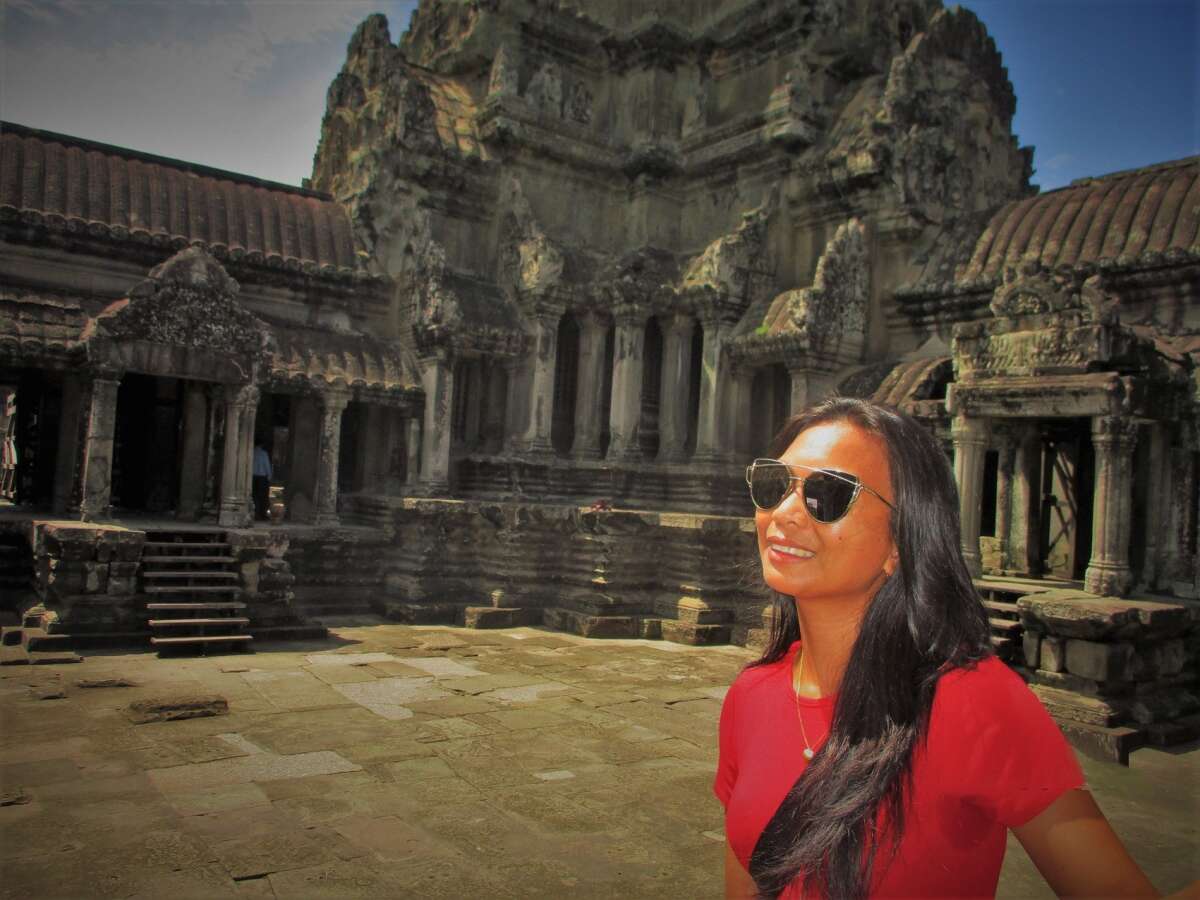
Angkor Wat is the real reason for our trip to Cambodia. We've looked at pictures of this wonder of the world countless times and admired this culture.
During the twelfth century the darkest Middle Ages still reigned in Germany and Europe and our ancestors lived in mud huts or the high nobility shit from the battlements of their primitive castles, while Cambodia experienced a high culture under King Suryavarman.
Suryavarman II has a wish, and he's thinking big. In the middle of the jungles of Southeast Asia, the ruler of the kingdom of Angkor wants to build a monument to his power: a giant temple, more impressive than anything that has ever existed.
It's a project that seems almost impossible to realize. But Suryavarman has many resources at his disposal.He rules a prosperous empire in the region of present-day Cambodia and commands millions of Khmer subjects.
In the 12th century, Angkor had more than one million inhabitants
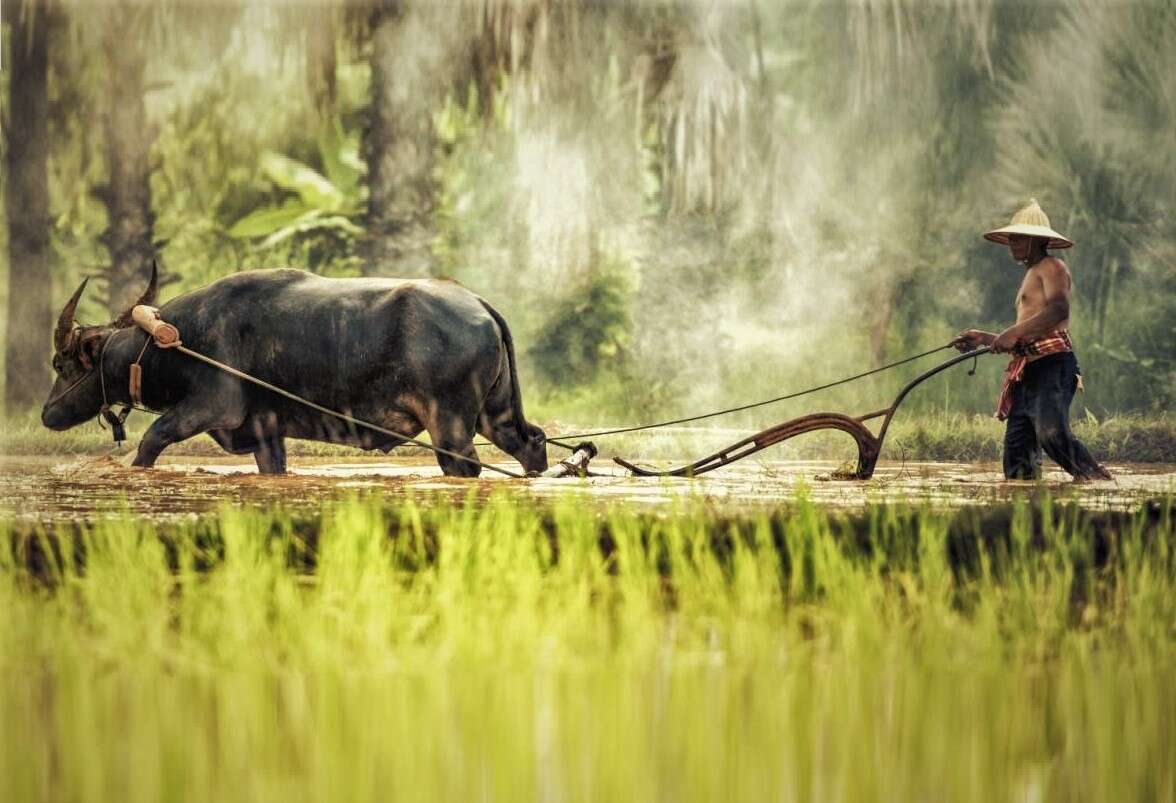
Angkor's prosperity is based primarily on a sophisticated irrigation system: reservoirs and canals make agriculture independent of rainy and dry seasons and enable up to four rice harvests per year.
The productive agriculture not only fed the farmers but also provided a living for numerous people who could be employed elsewhere, such as in the construction of palaces. As a result, the capital city of Angkor grew steadily and, by the beginning of the 12th century, when Suryavarman came to power, had more than a million inhabitants.
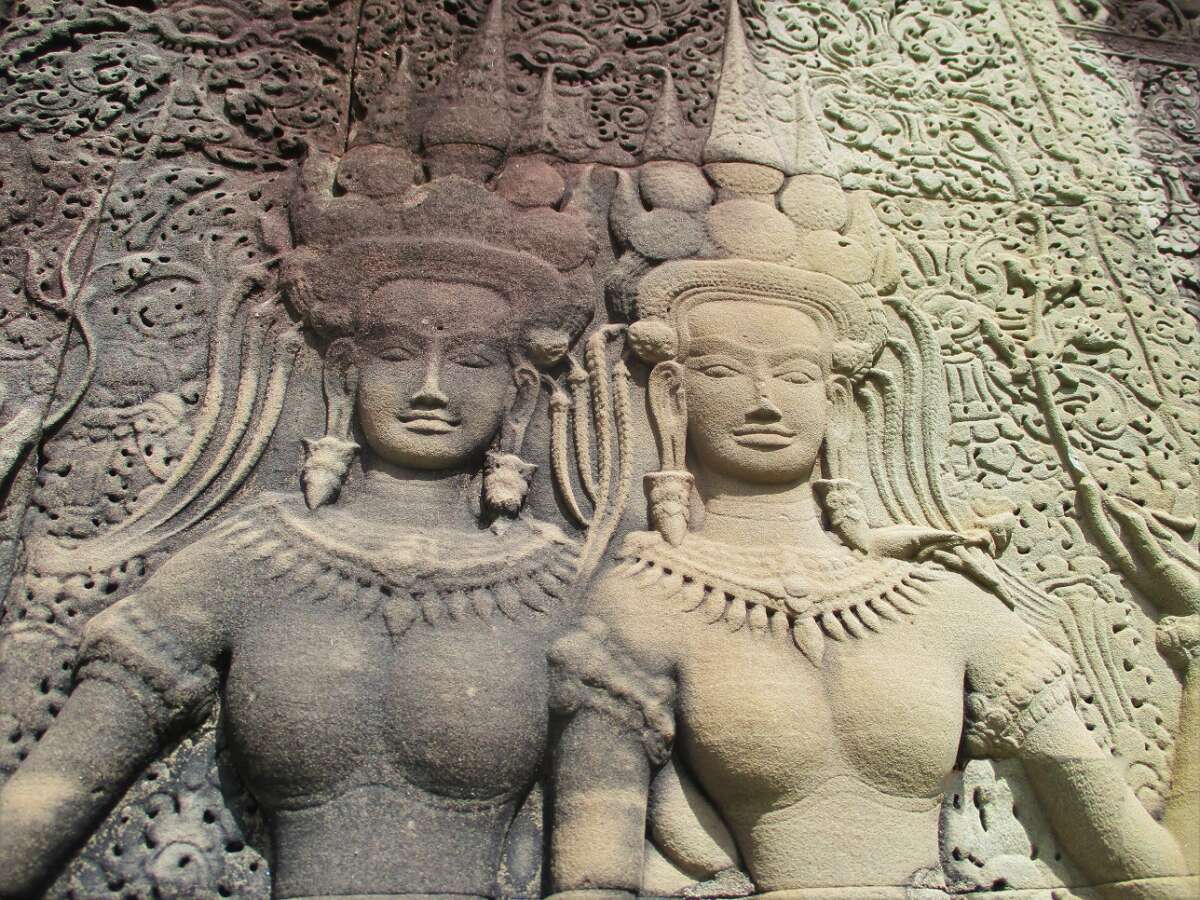
The rectangular moat that encloses the entire structure represents the cosmic ocean; the five towers stand for the sacred Mount Meru, the center of the universe; and the balustrades of the paved causeway that runs from the water to the temple symbolize the connection between the human and divine worlds.
To transport the materials, including bronze for statues of Hindu deities and gold for exterior decorations, Suryavarman had new roads paved and waterways built. He summoned thousands of slaves from the surrounding provinces, as well as hundreds of stonemasons, goldsmiths, and artists, and brought in working elephants and buffalo, boats, and carts.
Day after day, elephants and buffalo bring sandstone blocks from a mountain range 30 kilometers away. Since the Khmer people don't use mortar, stonemasons must precisely grind each of the more than one million blocks for the walls. Workers hoist the finished blocks to their assigned positions using ropes.
All specified dimensions must be adhered to precisely, because at the spring equinox, when the sun begins its annual journey according to Khmer belief, the central star is supposed to rise directly above the main tower – this brings the building into harmony with the universe, according to Suryavarman's scholars.
But corrections are always necessary, and so it takes a total of almost 40 years until the now largest and most impressive sacred building in the world is finally completed.
Considering that Cologne Cathedral took 632 years to build, the ancient Cambodians did it quite quickly.
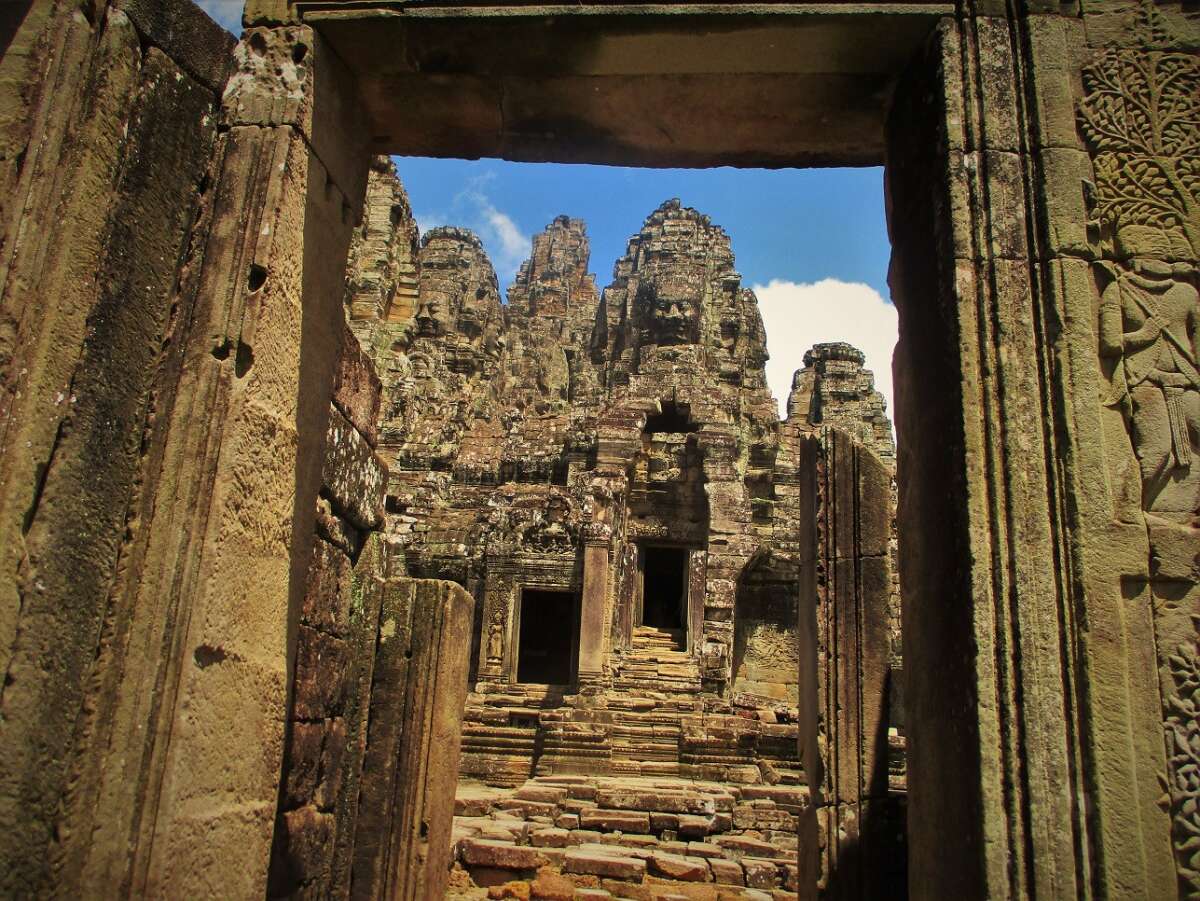
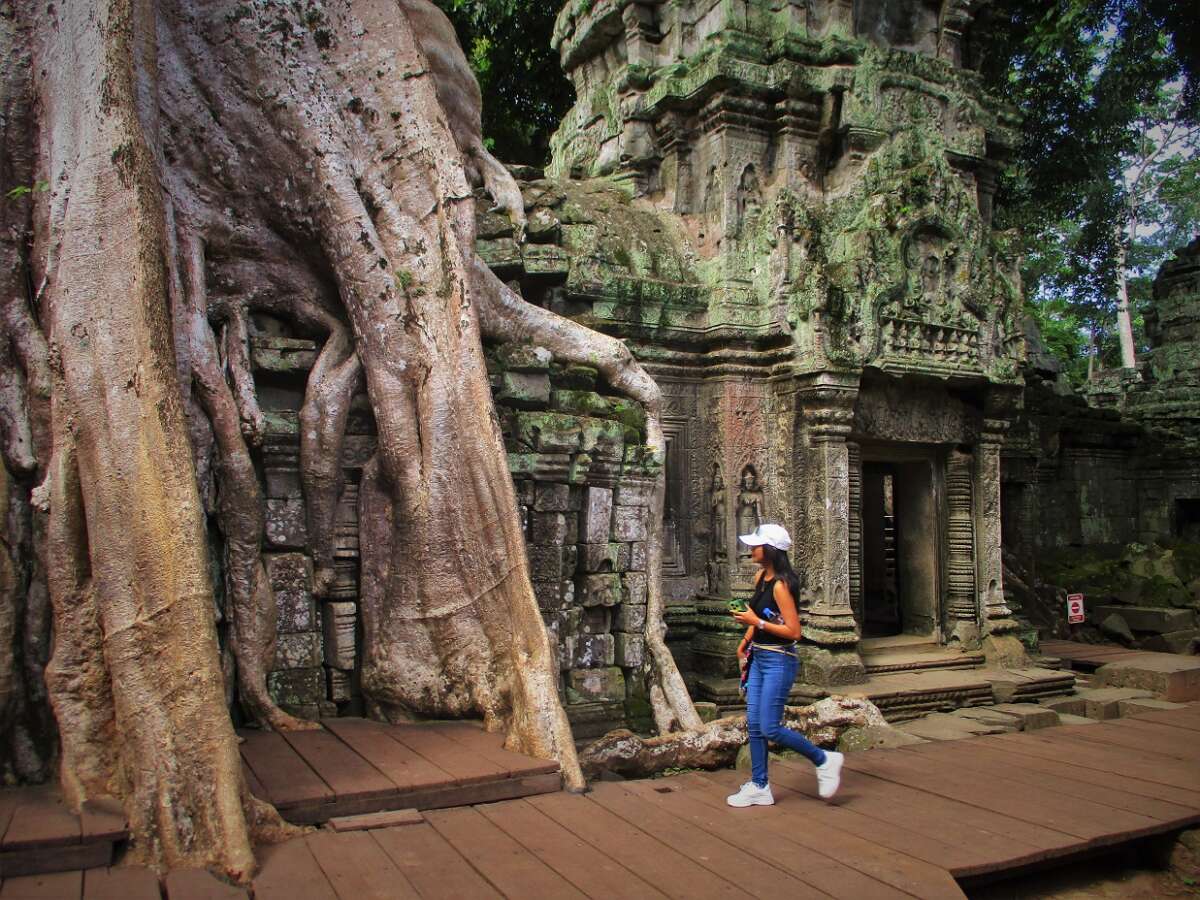
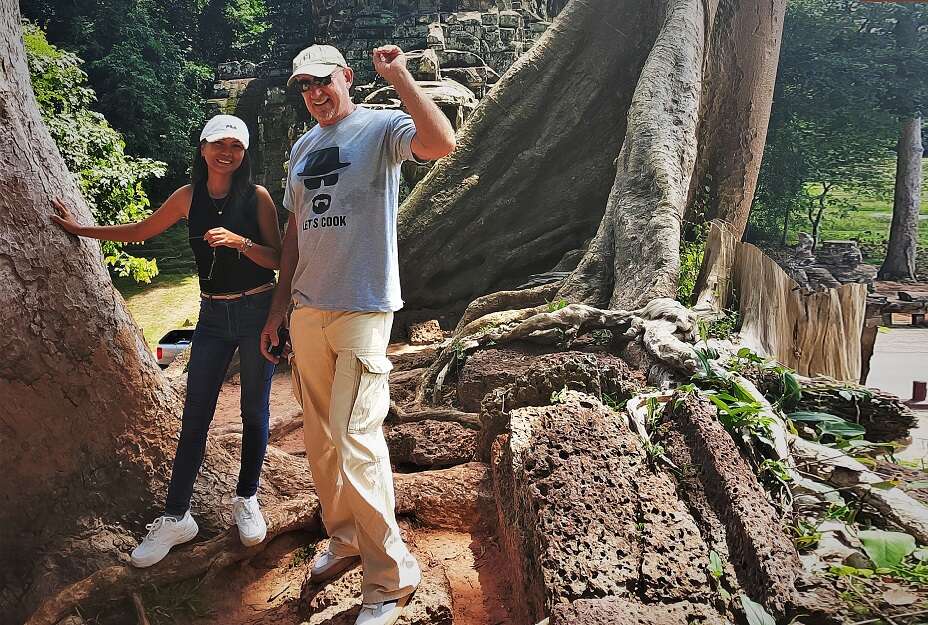
But it's not just the temples of Angkor Wat that we're visiting; here, ancient temples are lined up one after the other. There are too many to visit them all in one week, so we've booked a guide for both of them, so we can bombard them with our questions.
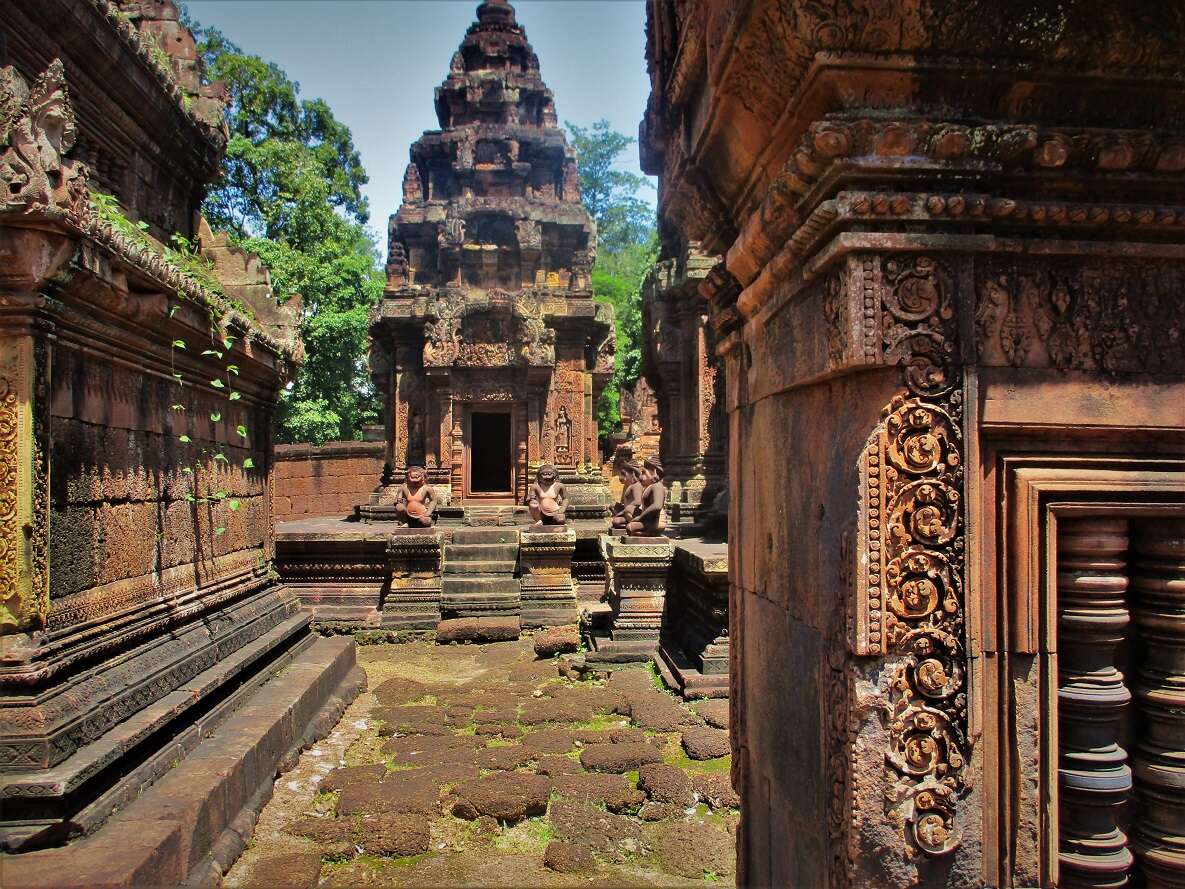
In total, the area of these temple complexes is larger than, for example, Paris. In addition to Angkor Wat, there is also Pre Rup Wat, Phnom Kraom Wat, Banteay Srei Wat, Ta Phrom Wat, Bayon Wat, Pasat Pra chum Wat, Neak Poan Wat... I think that's enough for a start ;)